
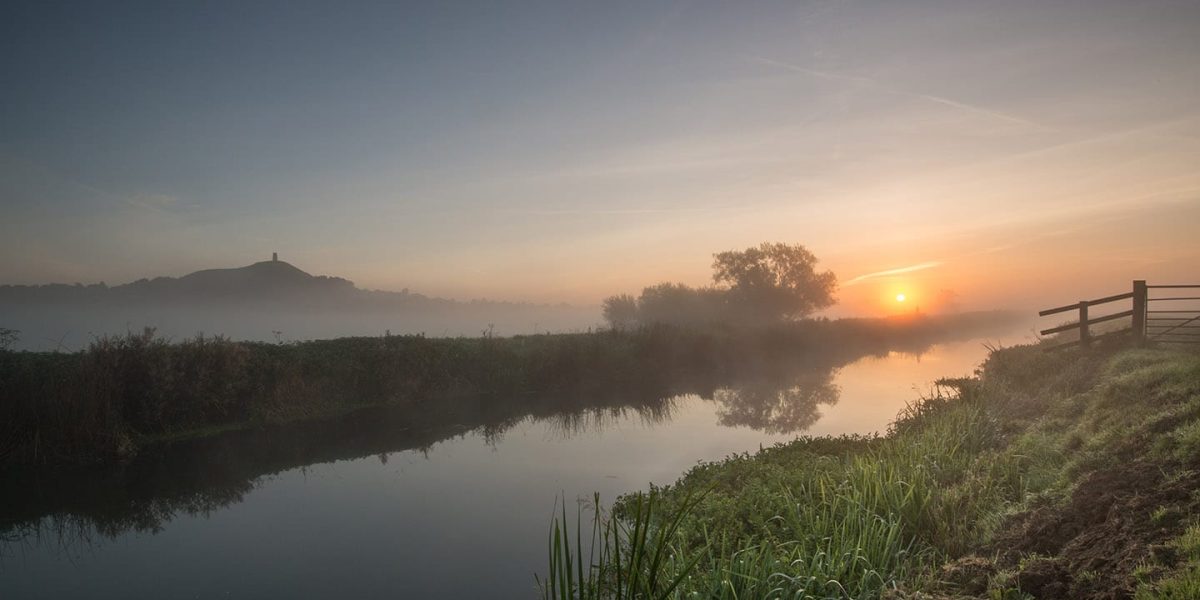
“As a declaration as to the importance and value of our river, this council resolves to formally recognise and respect the rights of the River Brue as set forth in the River Charter.”
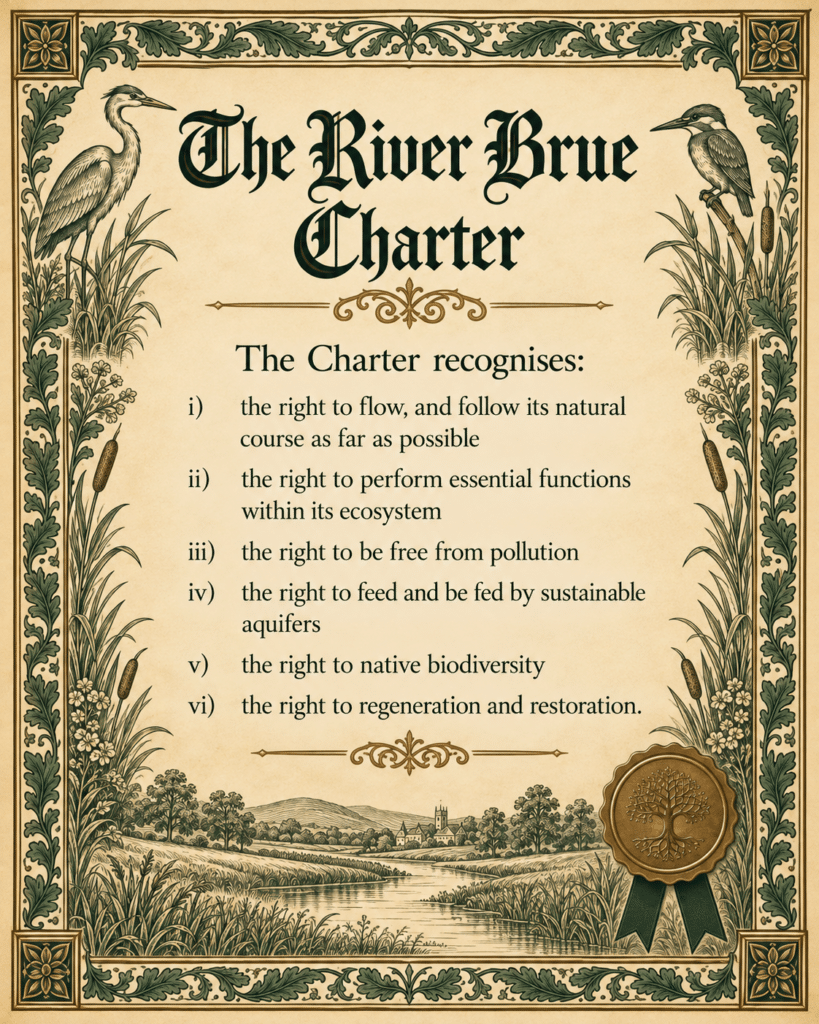
The River Brue Charter
The Charter recognises:
i) the right to flow, and follow its natural course as far as possible
ii) the right to perform essential functions within its ecosystem
iii) the right to be free from pollution
iv) the right to feed and be fed by sustainable aquifers
v) the right to native biodiversity
vi) the right to regeneration and restoration.
The adoption of the Charter follows Living Brue Day, held earlier this year and sponsored by Glastonbury Town Council. The event brought together local people, campaigners and organisations concerned with the condition and future of the River Brue and its wider catchment.
Speakers included environmental barrister Paul Powlesland of Lawyers for Nature and Sarah Dyke MP, alongside representatives and members of organisations including Wessex Water, the National Farmers’ Union, Reimagining the Levels, Somerset Eel Recovery Project, Surfers Against Sewage and the Brue Crew.
Living Brue Day examined the ecology of the river, water quality, land management and the growing Rights of Nature movement. Discussions at the event helped lead to the development of the Charter subsequently considered by the Town Council.
Benefits of adopting rights for rivers:
Adopting the River Brue Charter gives councils and communities a clear framework for supporting the long-term health of the river. As more parishes along the Brue consider signing up, the Charter also has the potential to create a shared approach across the wider catchment in the following ways:
– Creates a clear shared commitment to protect and restore the River Brue.
– Gives councils along the river a common set of principles for decision-making.
– Encourages cooperation between communities upstream and downstream.
– Supports improved water quality, biodiversity and habitat restoration.
– Provides a stronger basis for future partnerships, projects and funding.
The more widely the Charter is adopted, the more useful it can become as a common reference point for communities along the Brue, helping to support coordinated action for the river’s future.
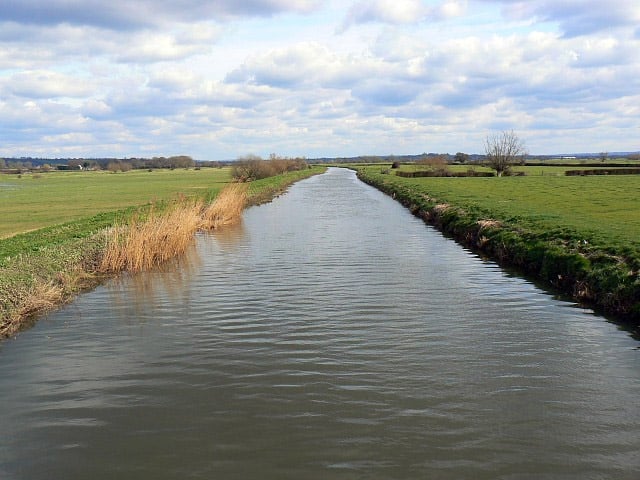 What are the rights of rivers?
The River Brue Charter sits within the growing international Rights of Rivers movement, which seeks recognition of rivers as living systems with fundamental rights. This movement forms part of the wider Rights of Nature movement, which extends similar principles to other ecosystems and natural entities. Internationally, the movement is represented through initiatives including the Universal Declaration on the Rights of Rivers, promoted through RightsOfRivers.org by organisations including International Rivers and Earth Law Center. The principles set out in the River Brue Charter closely reflect this wider approach, particularly in recognising the river’s rights to flow, perform its ecological functions, remain free from pollution, support biodiversity and regenerate.
River charters in Dorset
One of the most developed examples in the South West can be found on the River Char in West Dorset, which flows through the Char Valley to the sea at Charmouth.
The River Char Action Group began drawing up its charter following several years of community work around pollution, water quality and the ecology of the river. The River Char Charter was launched publicly in 2025, making the Char one of a growing number of British rivers around which communities have developed a formal statement of rights.
Its principles have much in common with those now adopted for the Brue. The River Char Charter supports the river’s right to flow freely, remain unpolluted and sustain a healthy living ecosystem. Work around the Char has also explored the idea of guardianship, through which people or organisations could formally represent the interests of the river.
The Charter sits alongside practical work on the river. Local volunteers carry out water-quality monitoring and investigate pollutants, while the group works with other organisations and neighbouring river groups on the condition of West Dorset’s waterways.
The initiative has also begun to spread beyond the Char. River groups from across Dorset have met to explore the possibility of developing shared principles for the county’s rivers, with the longer-term ambition of creating a Charter for the Rivers of Dorset.
This provides an interesting model for the Brue. Rivers cross parish and council boundaries, and their condition depends upon decisions made throughout their catchments. Cooperation between communities along the length of a river can therefore give a charter considerably greater reach.
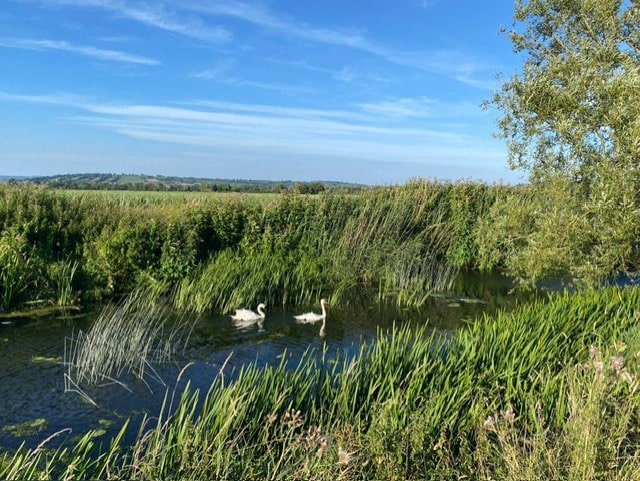 The River Brue
The Brue rises in the hills of Somerset and travels across the county before reaching the sea at Burnham-on-Sea. Around Glastonbury it is closely connected with the drainage and water systems of the Somerset Levels and Moors.
Its present course reflects centuries of intervention in the landscape. Rivers, rhynes, drains and wetlands throughout the Levels have been altered and managed for farming, settlement, flood protection and drainage. The ecological condition of the Brue therefore depends upon activity across a much wider area than the river channel itself.
Water entering the Brue travels through a connected catchment of streams, ditches, wetlands, farmland and settlements. Pollution or changes in one part of that system can have consequences much further downstream. Restoration of wetlands, improvements to water quality and the creation of better habitat can likewise have effects across the catchment.
The Charter gives the Town Council a clear statement of the principles it believes should guide the treatment of the river.
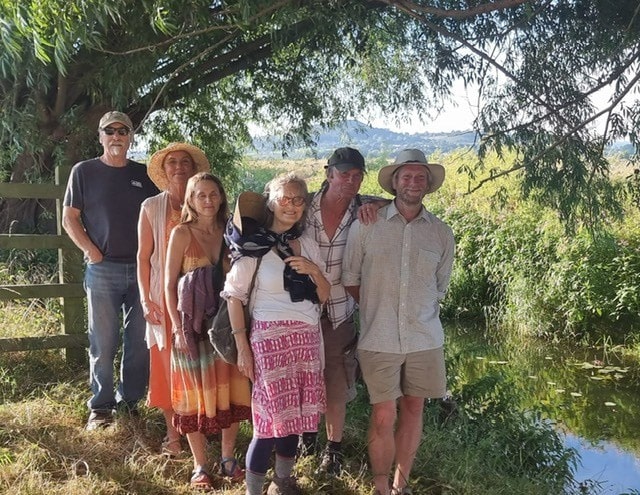 Next steps for the River Brue Charter
Following Glastonbury Town Council’s adoption of the Charter, the next stage will be to approach the other parish and town councils through which the River Brue flows.
Each council will be invited to consider the Charter and to formally support its six principles.
The aim is to build support progressively along the course of the river, bringing together the communities that share responsibility for the Brue and its catchment. The river passes through many different landscapes and administrative areas, while water, wildlife and pollution move freely between them.
A Charter supported by a number of councils along the river would provide a common set of principles and could help encourage greater cooperation between parishes, community organisations, landowners, conservation groups and other bodies working within the Brue catchment.
The Dorset experience demonstrates how an initiative beginning with one river community can develop through cooperation with neighbouring towns, parishes and river groups. The intention is now to begin a similar conversation along the Brue.
Glastonbury Town Council’s unanimous vote is therefore the starting point for a wider piece of work. Over the coming months, councils along the River Brue will be contacted and invited to add their support to the Charter, with the longer-term aim of establishing a shared commitment to the river along its course.
For further info or to support the Brue Charter in your parish, please contact Cllr Mike Smyth on [email protected]

