
Why Change Is Needed
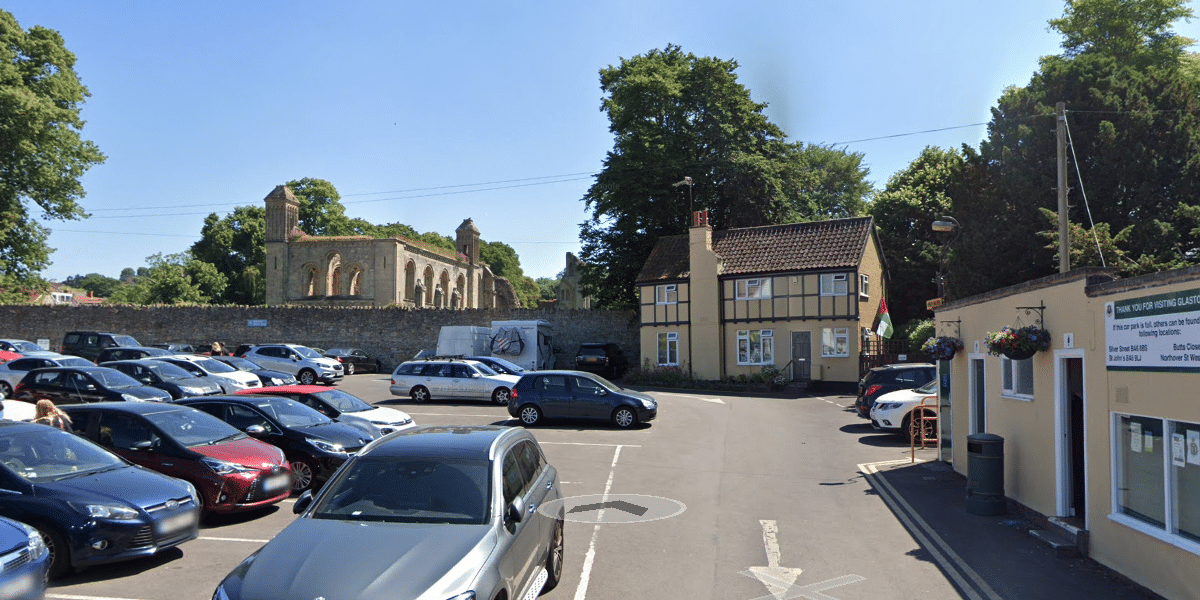
The reality is that the cottage is no longer a building that can be safely or practically lived in. A recent structural assessment highlighted a range of issues, including cracking around windows, movement in the structure, water ingress, and problems with the floors.
The structural engineer’s findings confirm that the building is affected by a combination of ongoing issues rather than a single repairable fault. Cracking has been identified throughout the property, much of it linked to failing or overstressed lintels, as well as the way the building has been constructed around window and wall openings. There are also indications that the foundations may be subject to seasonal ground movement, which can cause continued shifting over time. Additional movement has been observed between the roof structure and internal walls, and defects are present in the ground floor timber structure owing to substandard foundations and a lack of ventilation.
While some of the cracking may appear minor, the key concern is that the underlying causes are ongoing. This means that even after repairs, further movement and damage would be likely. Addressing all of these issues would require extensive and intrusive works, and even then, there is no certainty that the problems would not return. In this context, the overall cost and disruption of repair is considered disproportionate to the likely long-term benefit.
Looking Carefully at the Options
The Council explored whether the cottage could be renovated, but the challenges go beyond cost alone. Bringing the building up to a safe and compliant standard would require a full internal remodel. The existing staircase does not meet modern width requirements, and addressing this would likely result in the loss of a bedroom, reducing the property from three small bedrooms to two small bedrooms.
Alongside this, the building is in a relatively constrained and less desirable location for prospective tenants, which further limits its long-term viability.
Financially, the picture is equally challenging. Renovation costs are expected to exceed £100,000 and could reach around £140,000. Even with that level of investment, there is no guarantee that the deeper structural issues will be fully resolved. When balanced against the limited rental return, it would not represent a responsible use of public funds. The investment has a forecast repayment period of over 10 years, with no other ongoing maintenance costs factored into those calculations – such costs which will occur and increase the repayment period of that investment.
Turning a Challenge into an Opportunity
Rather than continuing to invest in a building with ongoing problems, the Council is focusing on how the site can deliver wider benefits for the community.
By demolishing the building and increasing car parking capacity, the site can generate a steady and reliable income each year whicc creates an important opportunity to reinvest in the town in a meaningful way.
The Council has committed to using a portion of future car park income to help fund a future housing project. This ensures that the loss of one property is balanced by a more sustainable and impactful contribution to housing provision in Glastonbury in future years.
Supporting the Town Centre
This approach also helps address a practical need within the town centre – additional parking spaces will help ease peak demand, improving access for residents, visitors, and local businesses.
There are further benefits: the improved layout creates opportunities for additional electric vehicle charging points and improved storage for market activities. It also enhances the setting by opening up views toward the Abbey.
A Positive Step Forward
Decisions like this are never taken lightly. The Council understands the importance of homes and heritage, but it also has a responsibility to think long-term and act in the best interests of the whole community.
In this case, that means:
- Making sure public money is spent wisely
- Prioritising safety and compliance
- Helping to ease parking pressures in the town centre
- Supporting future housing more effectively through the use of future income generated from this portion of the car park
By taking this approach, Glastonbury Town Council is not just addressing a difficult situation; it is creating new opportunities and laying the groundwork for a stronger future.

